Evidence under fire – 2026 Maddox Prize honours courageous researchers around the world.
Dr Siddhartha Roy (USA) announced as winner of 2026 Maddox Prize.
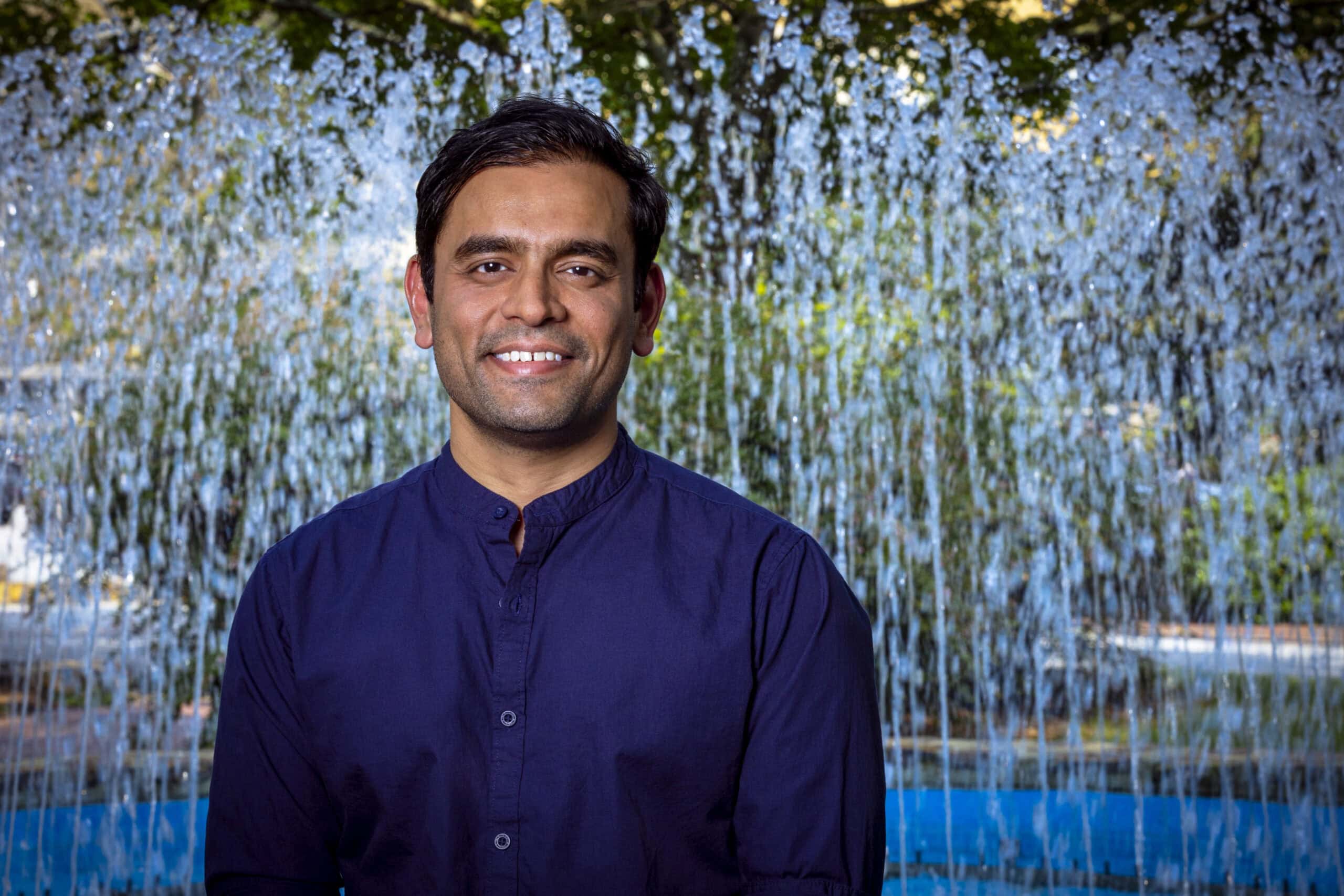
Dr Siddhartha Roy, an environmental scientist based at Rutgers University, New Jersey, USA, has won the prestigious Maddox Prize for standing up for science.
In 2015, Dr Roy co-led the team that identified a high risk of lead contamination in the water of Flint, Michigan, contradicting state and federal claims that it was safe. The case became a national scandal; the subsequent class-action settlement ran to the hundreds of millions, as well as leading to massive changes to infrastructure and policy.
Having faced the public stigma of the official denials, Roy came under fire a second time, this time from the very campaign groups who had previously based their work on his research. Seeing claims of ‘lead-poisoned’ and ‘brain-damaged’ children in Flint, he analysed the data and found no significant difference to the rest of the state. He noted, though, that special-education enrolment in Flint had spiked sharply after the crisis: healthy children were being characterised in the media as brain-damaged, leading to lower expectations and poor mental-health outcomes.
Roy identified this as a measurable ‘nocebo’ effect. Pressure groups invested in the false narrative issued threats and began a battle against Roy for simply stating the scientific facts.
The judges of the Maddox Prize commended Dr Roy for consistently putting clear presentation of evidence and the dignity and wellbeing of the people of Flint ahead of his own professional and personal comfort.
Dr Mónica Guzmán-Rojo (BOLIVIA) wins early-career award
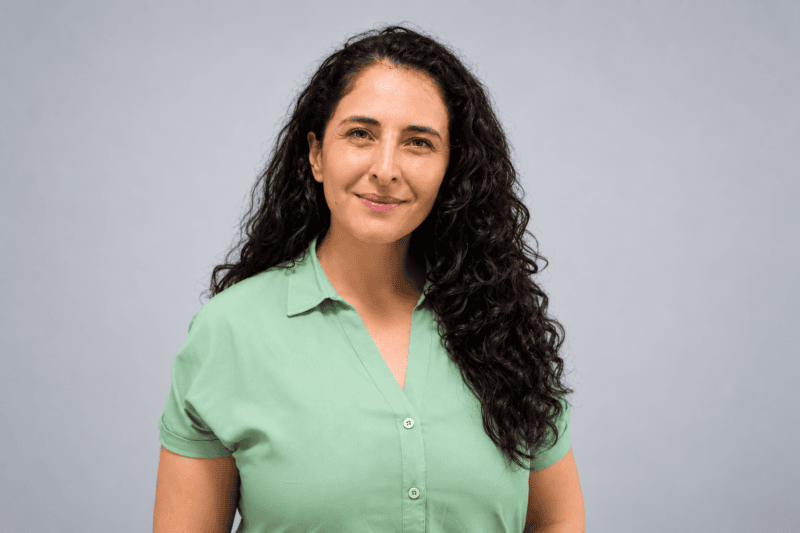
Dr Mónica Guzmán-Rojo of Universidad Católica Boliviana “San Pablo” is the winner of the early-career award. She advocates on behalf of indigenous and rural communities against powerful land interests. In Bolivia, land use is primarily an economic concern, but Dr Guzmán-Rojo demonstrated the profound effect of deforestation and fires on “invisible” groundwater. Her persistence turned data into law, protecting the natural aquifers that these communities depend on. The judges praised Dr Guzmán-Rojo’s willingness to engage communities and decision-makers at such an early stage in her career, which ensured her findings were clearly conveyed and reflected in policy discussions.
Dr Samer Abuzerr (PALESTINE) specially commended
The judges also singled out Dr Samer Abuzerr for special commendation. Dr Abuzerr is a public-health specialist with University College of Science and Technology Khan Yunis, who continues to do his research in Gaza despite the destruction of his university and working with few resources. He has managed to publish high-quality research that makes it possible to continue using evidence to inform public decisions, including a report on the resurgence of polio among children that contributed to the 2025 humanitarian ceasefire. The judges were moved by his commitment to building the evidence on which public health communication is based while living at constant risk of harm.
“Science matters because it puts evidence ahead of ideology”
The Maddox Prize, organised by Sense about Science and supported by the Royal Society, is awarded annually and recognises individuals who stand up for science and evidence, advancing public discussion around difficult topics despite challenges or hostility. You can see the full shortlist here.
Tracey Brown OBE, Chief Executive of Sense about Science, said: “We look to research to tell us important things about our world – whether an AI can assess cancer scans or whether an energy policy is working. We expect to learn if buildings are unsafe or fish stocks are declining or inequality is increasing. That expectation asks something of all of us too: to defend the space in which it is possible to ask difficult questions and discuss the findings. We live in more polarised times in many parts of the world and the nominations for the Maddox Prize show that we must make a renewed case for the importance of space to inquire, even where we have strong views. We must protect that space from taking sides and from powerful interests, so that researchers continue to ask searching questions and feel confident in telling us what they find. This year’s Maddox prize winner shows us very clearly why communities need that access to clear and honest research findings.”
Professor Alison Noble, Foreign Secretary of the Royal Society, said: “Science matters because it puts evidence ahead of ideology. Today, science is under attack by those who believe scientific evidence can be ignored when it punctures their opinions. It has never been more important to celebrate those who stand up for science and that is why the Maddox Prize really matters.”

- How haunted houses are designed - 29th October 2026
- 2026 Maddox prize winners announced - 29th October 2026
- Mapping Treblinka II: the death camp the Nazis tried to erase - 29th October 2026